Environmental Intelligence for Informed Decisions
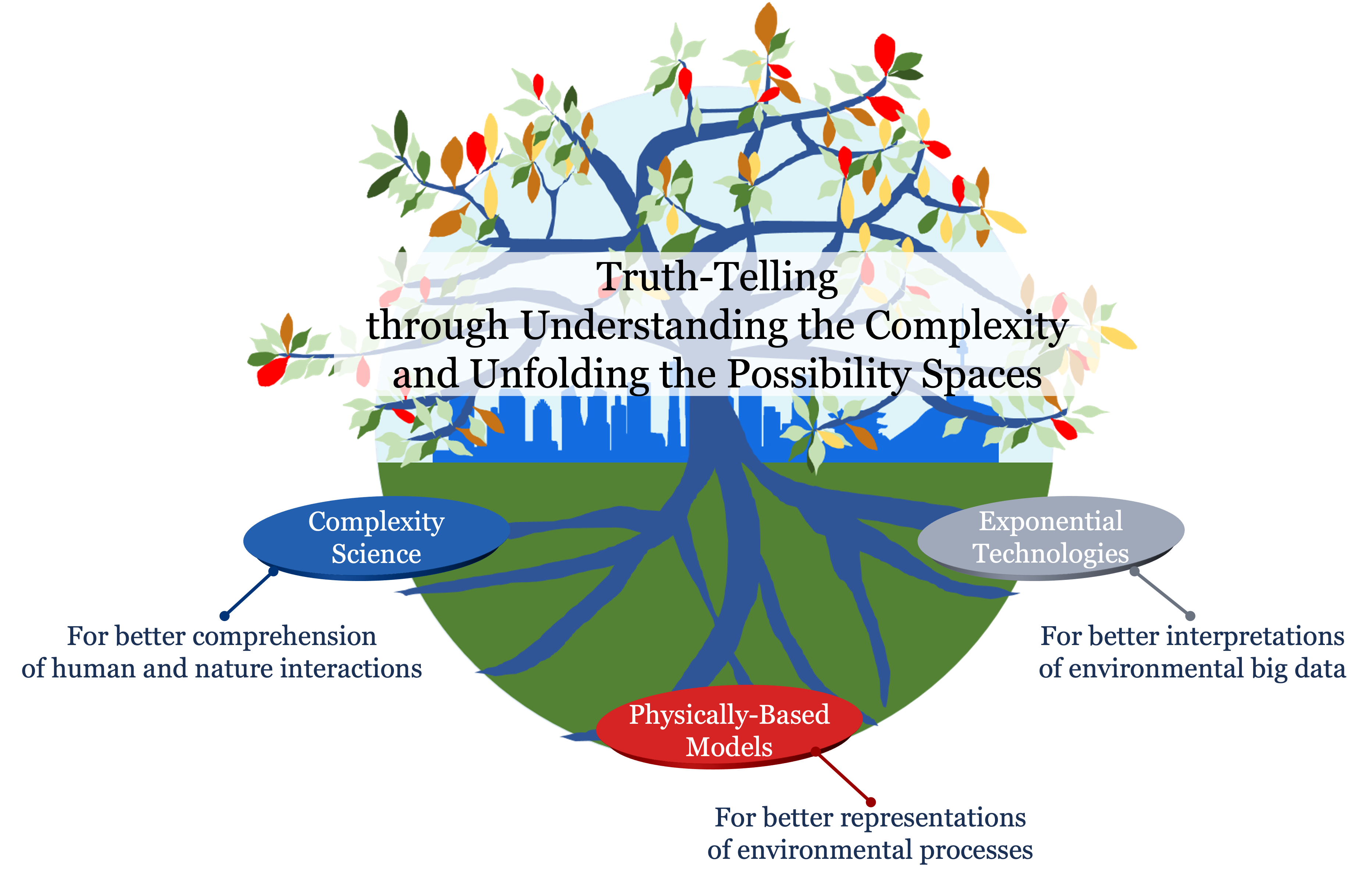
Our vision is Environmental Intelligence for Informed Decisions. Toward this vision, we pursue Truth-Telling through Understanding the Complexity and Unfolding the Possibility Spaces, grounded in three core pillars: Complexity Science, Physically-Based Models, and Exponential Technologies. Complexity science is for better comprehension of human–nature interactions, physically-based models for better representations of environmental processes, and exponential technologies for better interpretations of environmental big data.
Albert Einstein once remarked, “Environment is everything.” Our three pillars are not confined to the natural environment alone but also include us—human beings—recognizing that humans and nature are inseparable in addressing today’s global challenges confronting our communities.
Environmental Intelligence
Our concept of Environmental Intelligence refers to an integrative intelligent system that supports informed decisions toward a world where humans and nature are harmonized. It originates from the recognition of environmental systems as complex systems and operates through the fusion of physically-based models that represent natural processes with exponential technologies, including artificial intelligence, that emulate human behaviors and societal outcomes. Beyond the mere collection or provision of information, Environmental Intelligence embodies a cognitive system that senses environmental changes, interprets their meanings, and transforms insights into action—an organized endeavor of humanity to confront global environmental crises with the best of our knowledge and wisdom to sustain the long-term harmony between people and the planet. In a complex world, informed decisions must be honest, agile, and holistic.
2026 News
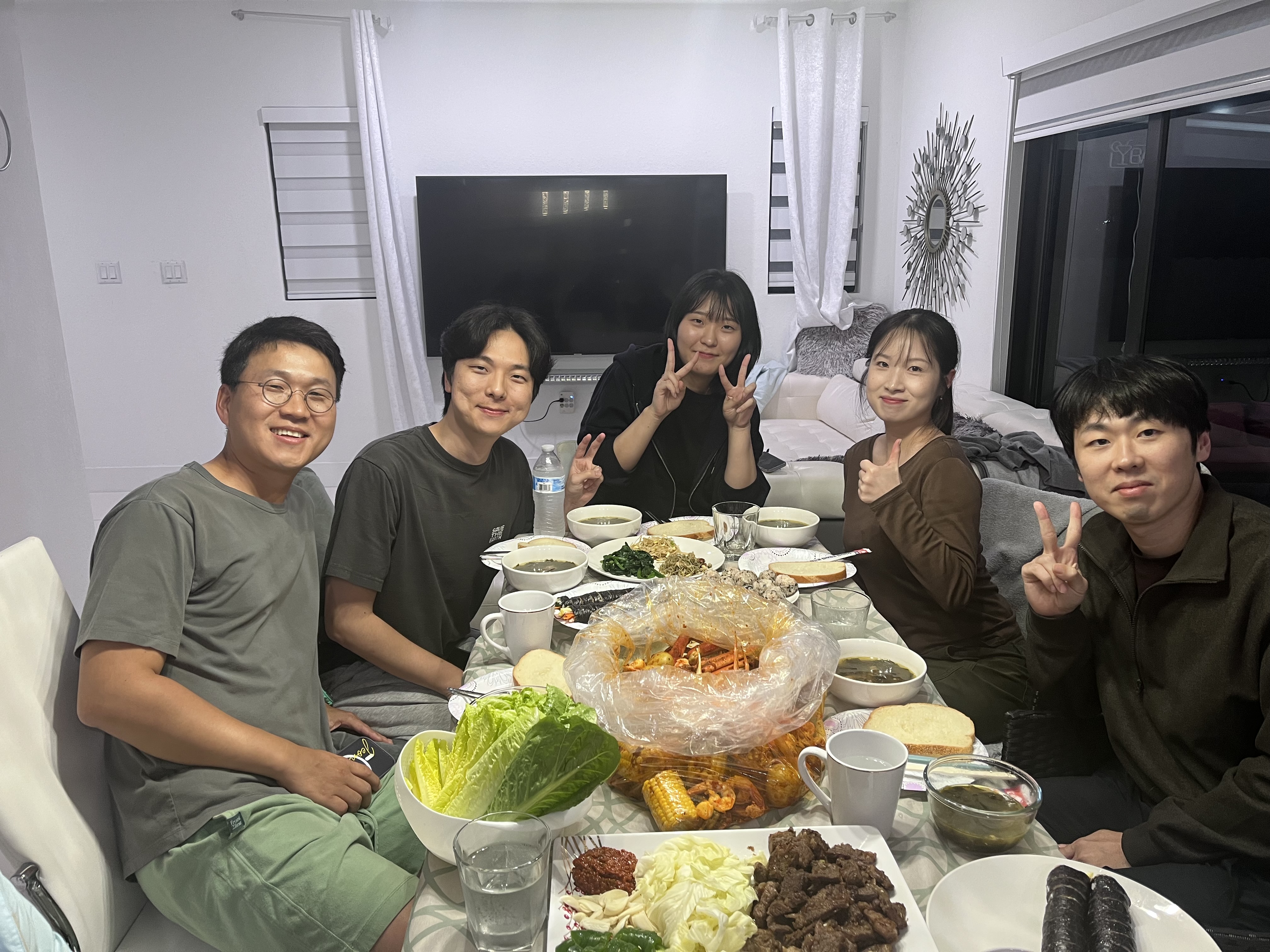
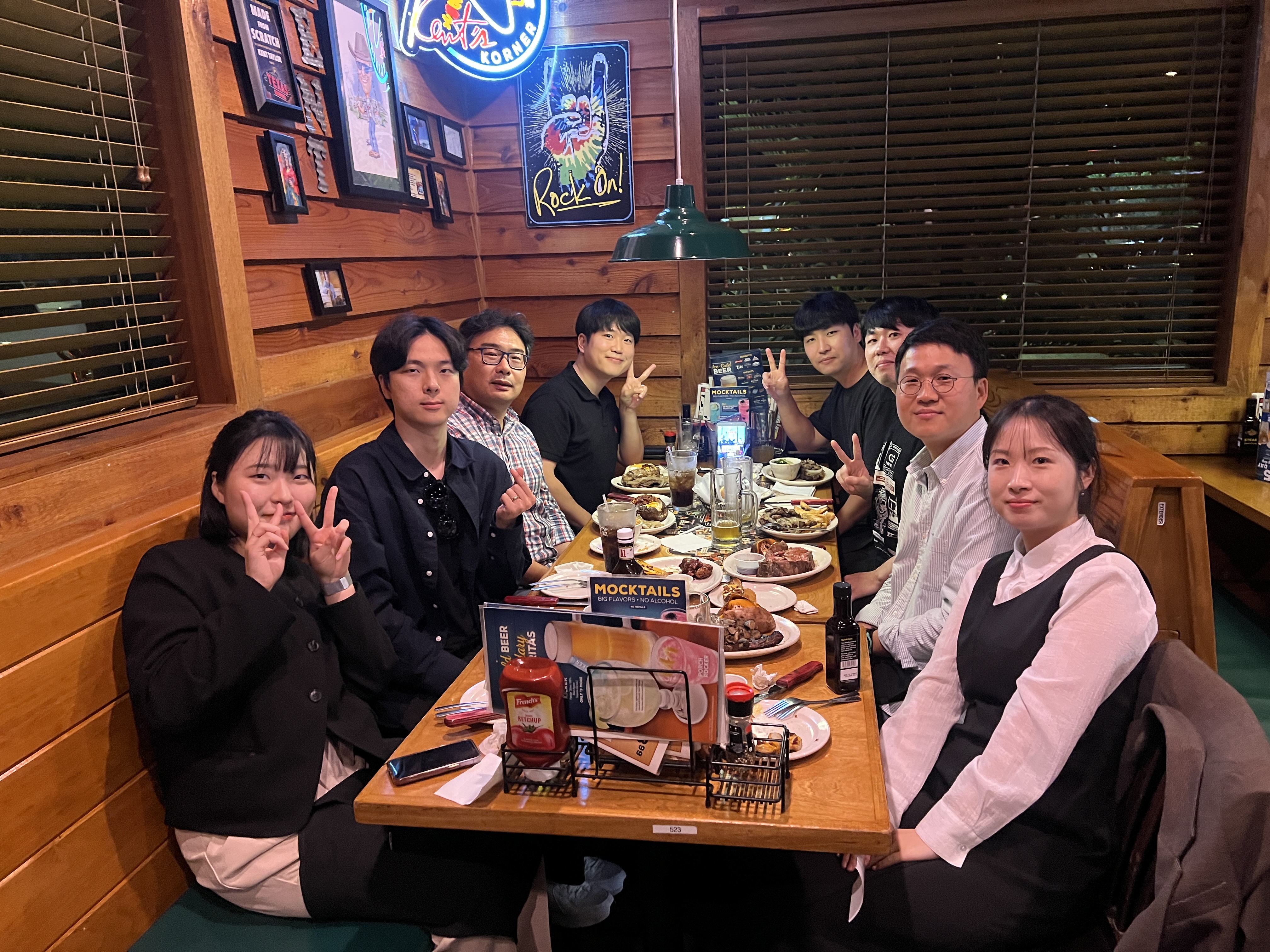
Following the AGU Annual Meeting, most members of the lab gathered in Gainesville, Florida—where Prof. Jeong is spending his sabbatical year—for a focused lab retreat at the University of Florida. Joining the retreat after AGU was Kyungmin Kim, an alum of the lab and currently a Ph.D. student at the Arizona State University, whose participation further enriched the discussions.
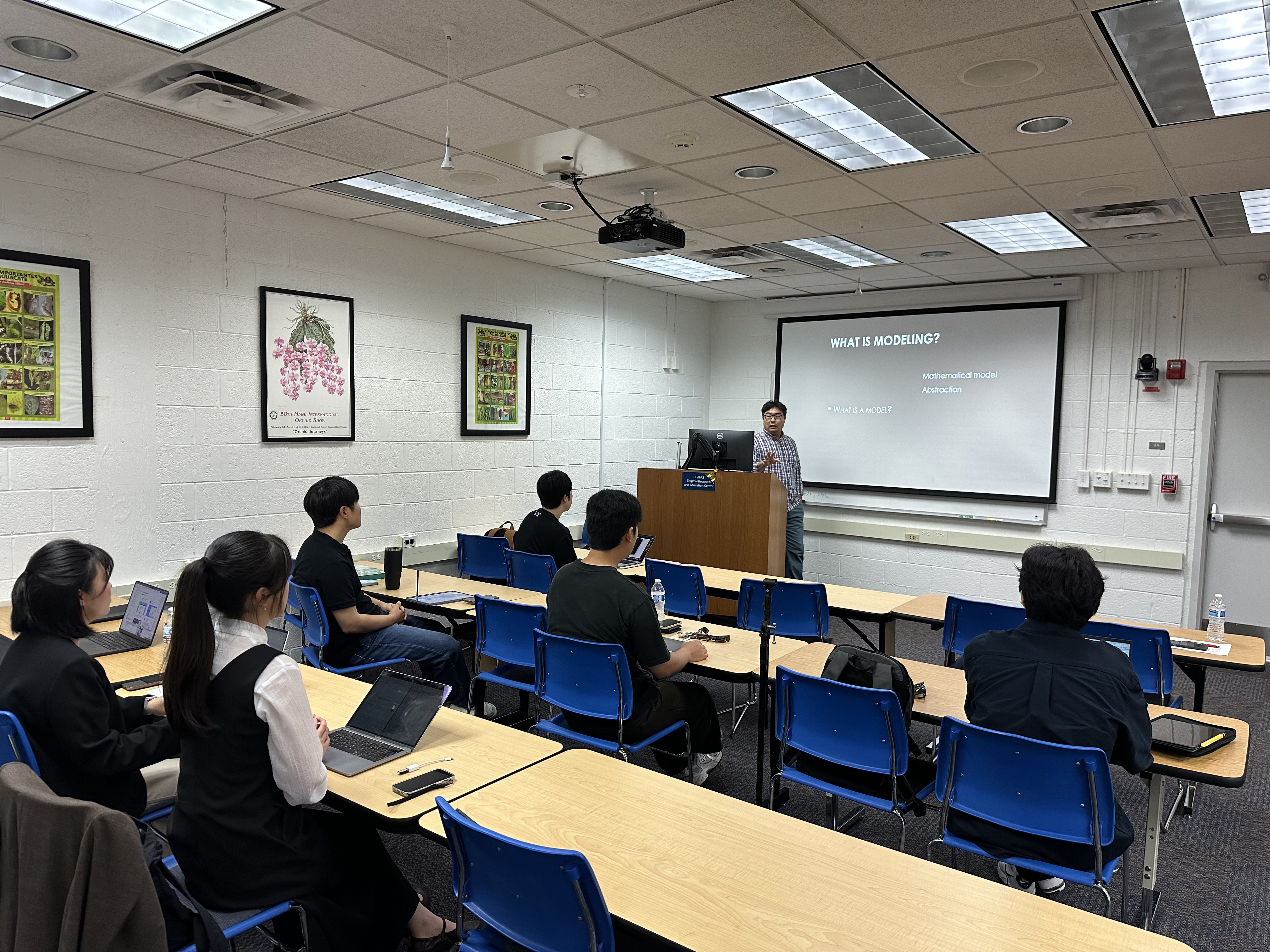
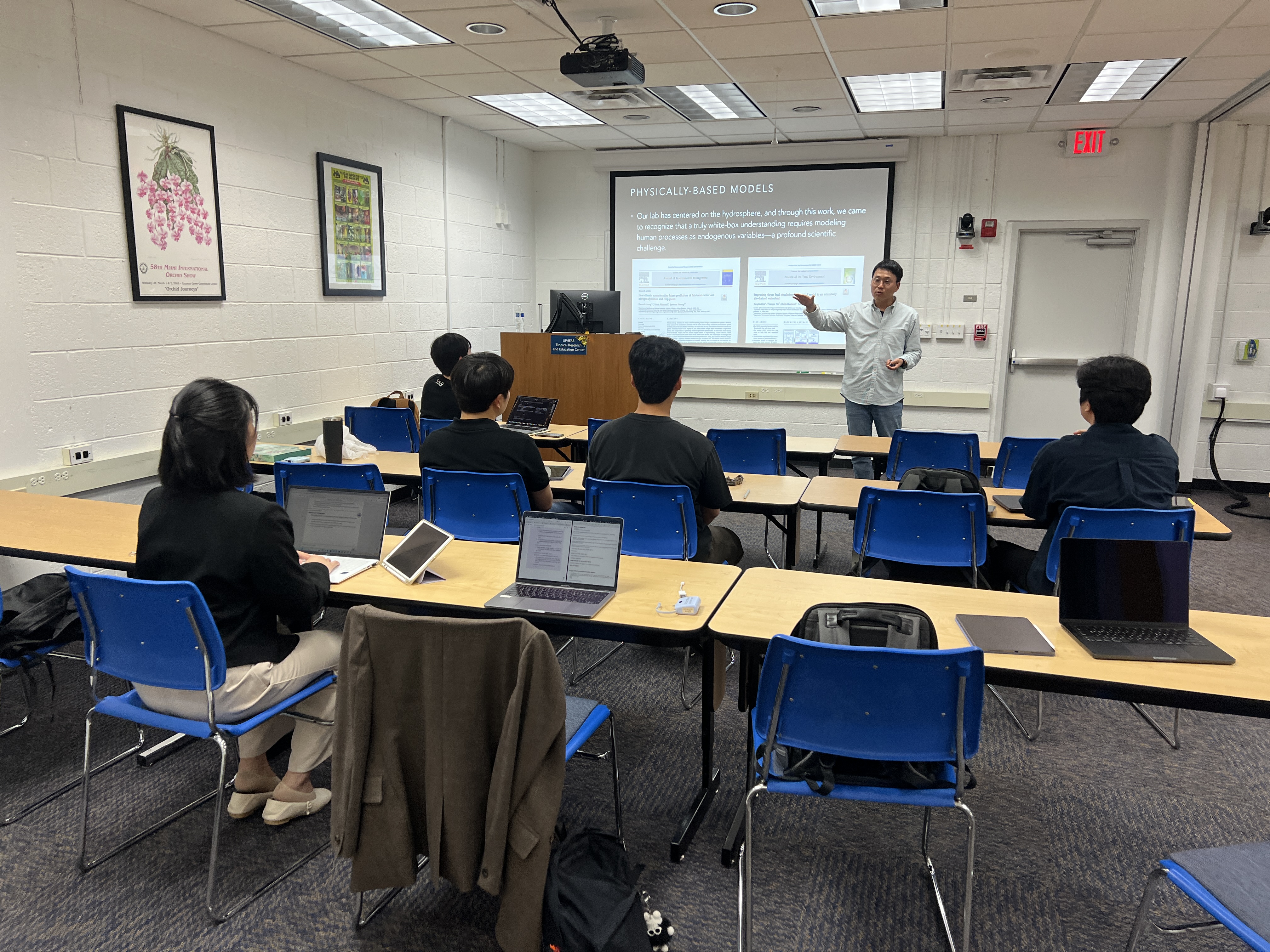
From the Christmas holiday through the end of January 2026, the lab conducted an NRF Mid-career Research Project–funded international collaboration with Prof. Younggu Her’s group at UF. During this period, a dedicated workshop was organized to share the core objectives and research directions of the NRF project. The workshop featured insightful lectures on environmental modeling and AI-driven modeling approaches delivered by Prof. Her, Prof. Jeong, Dr. Jeung, and Dr. Kim. In addition to invited lectures, lab members presented their ongoing research and received in-depth feedback. Beyond technical discussions, the workshop became an important forum to reflect on what we mean by “informed decisions” and what kind of Environmental Intelligence is required to support them. Through interdisciplinary dialogue, participants explored how physically-based modeling, socio-hydrological understanding, and AI methodologies can be integrated to move beyond prediction toward decision-oriented knowledge.
The month-long research residency in Florida provided a rare opportunity for intensive discussion, refinement of dissertation trajectories, and strategic alignment of each member’s graduate research direction, ultimately marking a milestone that strengthened international collaboration and shaped the next phase of the lab’s research agenda.
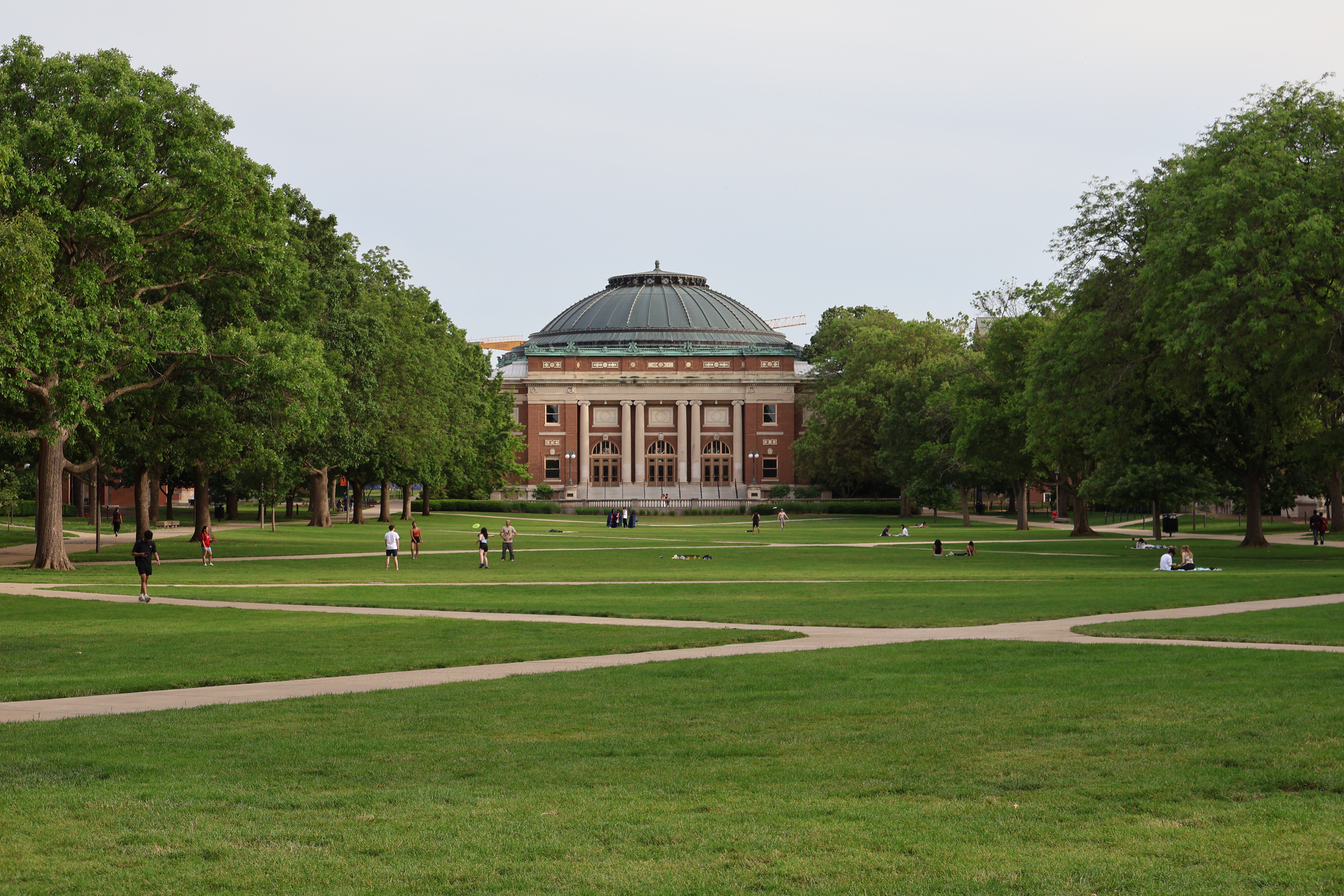
Supported by the IITP and NRF programs, Minah departed for the University of Illinois Urbana–Champaign (UIUC) to begin a six-month visiting research program. During her stay, she will conduct international collaborative research focused on agricultural drainage system modeling in the United States and on establishing the foundational framework of the SOHO model. We wish her a productive and enriching stay at UIUC!
Dahoon’s paper, “Modeling Water Quality Improvements from Best Management Practices for Combined Sewer Overflow Reduction,” was published in the Journal of Korean Society on Water Environment. This study quantitatively evaluated the effectiveness of structural BMPs for combined sewer overflow reduction using the HSPF model in the Anyangcheon watershed. Congratulations to Dahoon on his first paper as lead author!
Dr. Jeongjin Kim, who joined the lab as its very first member during the COVID-19 pandemic, concluded his journey with our group to begin a new career in the private sector. Over the past five years and eight months, he played a foundational role in establishing the lab’s research on human social sensing using unstructured data and contributed greatly to the growth of our research group through his dedication, service, and scholarship. We are deeply grateful for everything he has done for the lab. Although Prof. Jeong was unable to hold a proper farewell gathering while spending his sabbatical year in the United States, we sincerely wish Dr. Kim continued success, fulfillment, and good fortune in his new journey as an AI scientist.
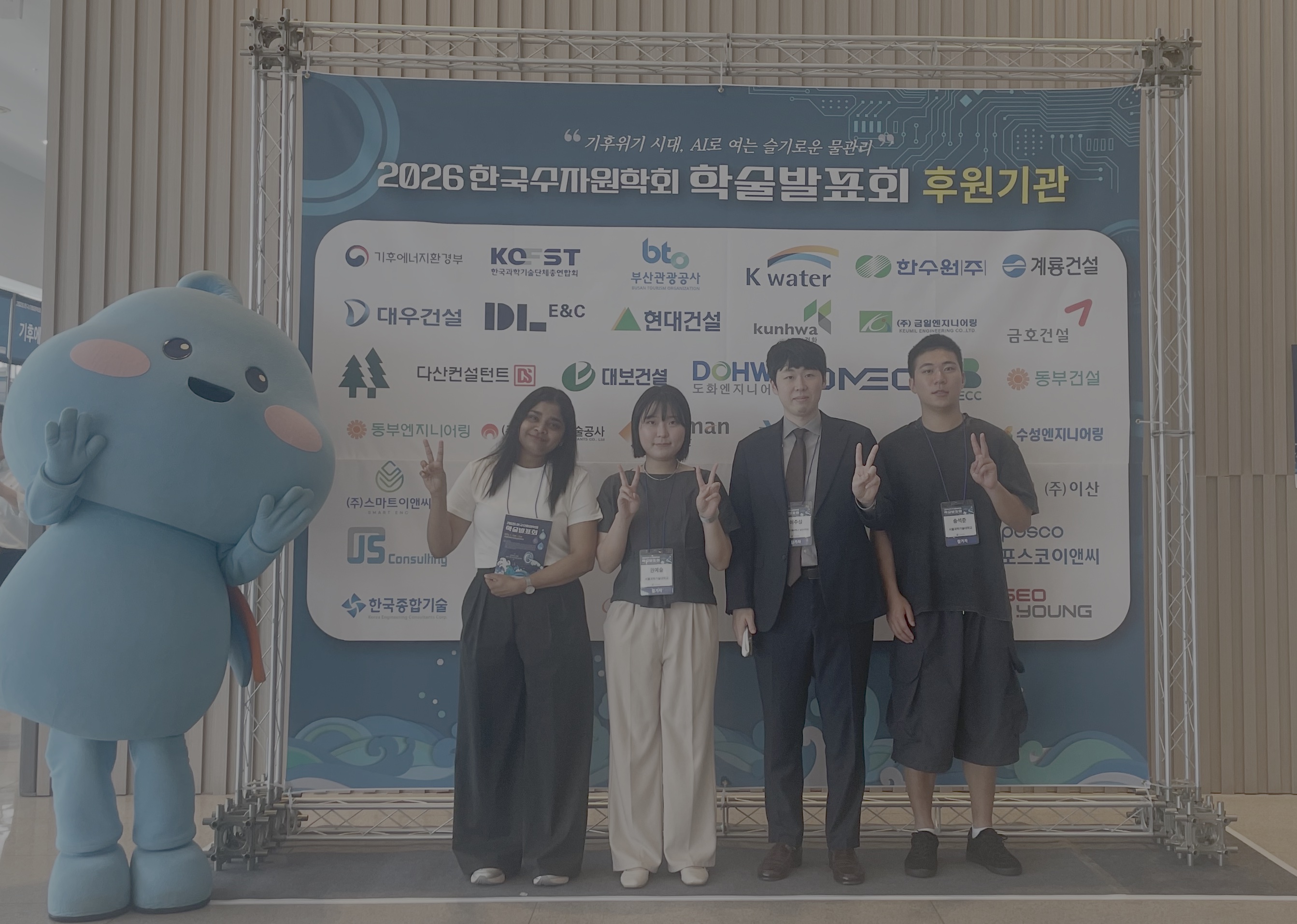
The lab attended the 2026 Spring Conference of the Korea Water Resources Association (KWRA) held in Busan. Juseong presented “Improving Conventional Hydrological Modeling through Sociohydrological Coupling: A Comparative Simulation of Long-Term Water Quality Dynamics in the Han River Basin,” and Yeseul presented “Occurrence Characteristics of Compound Climate Events and Their Impacts on Water Quality.” Although three lab members currently staying in the United States were unable to attend the conference, Juseong, Sonali, Yeseul, and Seokjun actively participated in various academic and networking programs and had a fruitful and enjoyable time together.
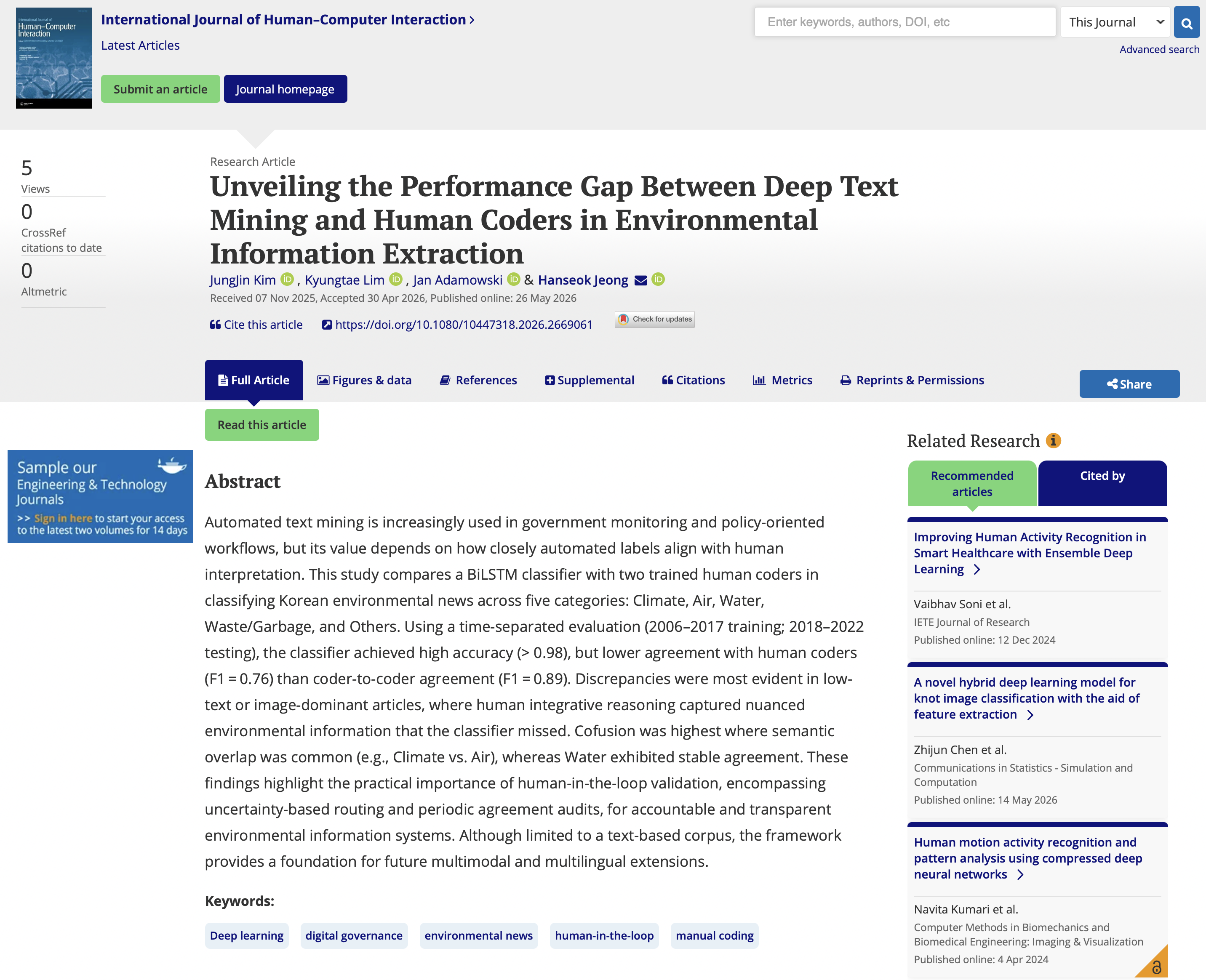
Our paper, “Unveiling the Performance Gap Between Deep Text Mining and Human Coders in Environmental Information Extraction,” was published in the International Journal of Human–Computer Interaction. This study investigated the differences between deep text mining models and human coders in extracting environmental information from large-scale environmental news datasets, highlighting the importance of human-in-the-loop validation for trustworthy environmental intelligence systems. Congratulations to Dr. Kim, the lead author!
Jaehyung, who has conducted research in the lab for approximately two years through the integrated B.S.–M.S. program, successfully defended his master’s thesis, “Exploring Sociohydrological Interactions in Agricultural Drainage Systems under Governance Design and Climate Change.” His thesis explores an important and timely question at the intersection of agricultural water management, sociohydrology, governance, and climate change. Big congratulations to Jaehyung on this important milestone!
Contact
Email: hanjeong@seoultech.ac.kr
Phone: +82-2-970-6630
Office: Room 312, Chungun-Hall, SeoulTech
Lab: Room 120, Chungun-Hall, SeoulTech